Reviewing the Decorative Diwali Rangoli Pattern for Real Projects
As a designer who spends more time staring at stitch maps than finished garments, I approach every new machine embroidery design with a mix of curiosity and skepticism. We have all been there: you download a beautiful preview, load it onto your machine, and hope the reality matches the digital promise. Recently, I spent some quality time evaluating the Decorative Diwali Rangoli Pattern. This is not just about aesthetics; it is about how this design performs when put to work in a real embroidery project for clients or personal use.
The first thing that strikes you about this pattern is its inherent symmetry and cultural resonance. Rangoli art is traditionally about welcoming prosperity and light, and this digitization captures that spirit without feeling cluttered. For those of us creating items within the Religion Faith category, finding designs that respect the source material while being technically sound for modern machines is crucial. This pattern feels balanced, offering enough detail to be impressive but avoiding the excessive density that often leads to puckering or thread breaks.
First Impressions and Visual Mood
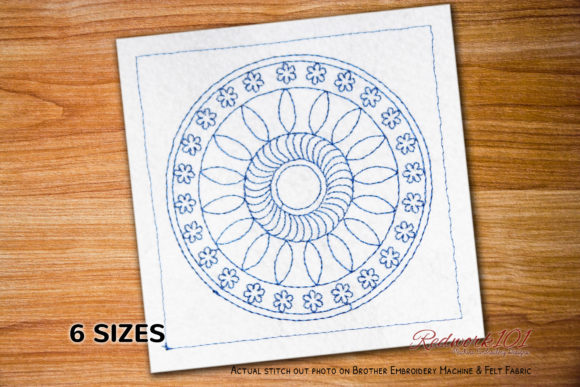
When I loaded the embroidery file into my editing software, the layout immediately suggested versatility. The central motif is intricate, relying on a combination of satin stitch borders and fill stitch centers to create depth. What I appreciated most was the clarity of the lines. In lower-quality digitizing, complex geometric patterns like rangolis can become a muddy mess of threads. Here, the separation between elements is distinct.
The mood is celebratory yet elegant. It does not scream for attention; rather, it invites a closer look. This makes it an excellent candidate for products where subtlety is valued over flashiness. Whether you are designing for a boutique brand or creating handmade product listings for an online shop, the visual personality of this design leans towards sophisticated tradition. It fits seamlessly into projects that aim to honor heritage while maintaining a contemporary craft aesthetic.
Real-World Application: From Digital File to Finished Product
To truly test the Decorative Diwali Rangoli Pattern, I imagined it in several common commercial scenarios. Let’s say you are preparing a custom order for a client wanting a personalized gift for the Diwali festival. A heavy cotton tote bag is a popular choice. On a stable fabric like canvas, this design shines. The stitch density appears moderate, meaning it should sit flat without requiring excessive backing that adds bulk.
I also considered its use in custom apparel, specifically a sweatshirt. Embroidering on fleece or French terry requires careful attention to stabilizer choice, but the open nature of some rangoli elements allows the fabric texture to breathe slightly. If you are an Etsy seller looking to expand your holiday collection, this design could anchor a line of festive kitchen towels or aprons. The circular symmetry works beautifully on round items like coasters or patch-style appliqués on denim jackets.
For those running a craft business, the ability to scale is key. While I cannot confirm exact dimensions without seeing the specific file variants, the structure suggests it would hold up well when resized within reasonable limits. It serves as a strong focal point for a tote bag design or as a subtle accent on a cuff or collar. The versatility extends to baby embroidery as well, provided you scale it down and use softer threads for nursery decor or blanket accents.
Technical Considerations and Fabric Compatibility
No design is universal, and honest review requires discussing limitations. The Decorative Diwali Rangoli Pattern features fine details that demand precision. If you are working with textured fabrics, such as loose-weave linen or rough burlap, you must be cautious. The tiny points in the pattern might get lost or cause registration issues if the fabric shifts. Using a high-quality cut-away stabilizer is non-negotiable here to maintain the integrity of the geometric shapes.
Another critical factor is the optional Box Stitch mentioned in the product notes. The description states, "The Box Stitch shown in picture is optional. The color of outer Box is different color in most of the designs unless it is part of the design itself, you can skip the." This is a vital detail for production efficiency. If you are stitching on dark fabric, you might want to keep the box for definition. However, on light fabrics or if you prefer a cleaner, borderless look, skipping it saves time and thread. Always test this decision on a scrap piece first.
Be mindful of curved surfaces. Placing this intricate design on a cap or a tightly curved sleeve can distort the symmetry. Rangoli patterns rely on perfect balance; if the hoop tension or fabric curvature pulls the design, the visual appeal suffers. For embroidered patch creation, however, it is ideal because you can stabilize the fabric completely before cutting.
Enhancing Brand Value and Customer Trust
From a business perspective, the quality of your design assets directly impacts customer trust. A clean, well-digitized pattern signals professionalism. When a customer receives a finished product with crisp edges and no loose threads, they are more likely to return. The Decorative Diwali Rangoli Pattern supports this by offering a polished look that elevates the perceived value of the item.
For commercial embroidery projects, consistency is king. If you are producing a batch of holiday gifts, ensure your thread colors are consistent. Traditional rangoli colors are vibrant—reds, oranges, golds, and greens. However, do not be afraid to experiment with monochromatic schemes for a modern twist. Testing the design in black and white mockups can help you understand the contrast and flow before you commit to expensive metallic or variegated threads.
Practical Designer Notes for Best Results
Before you launch this design into your production workflow, here are my top recommendations:
- Test on Scrap Fabric: Never run a new design on your final garment without a test stitch-out. Check for thread breaks and registration accuracy.
- Check Hoop Size: Confirm the required hoop size for the specific file version you purchase. Ensure your machine can accommodate it without re-hooping mid-design.
- Review Stitch Density: If the design feels too dense for your fabric, consider using a water-soluble topping to prevent sinking stitches, especially on plush fabrics.
- Verify Licensing: Always confirm whether the digital embroidery file allows for commercial use. Most designers allow selling finished physical items, but reselling the file itself is typically prohibited.
- Contrast Matters: Pay attention to the note about the outer box color. Ensure your thread choice contrasts sufficiently with the fabric to make the design pop.
In conclusion, the Decorative Diwali Rangoli Pattern is a robust addition to any designer’s library. It respects the traditional art form while adapting well to the technical constraints of machine Embroidery. Whether you are creating a sweatshirt embroidery piece for a friend or stocking your small shop product inventory for the festival season, this design offers the reliability and beauty needed to create memorable, high-quality items. Take the time to understand its nuances, and it will serve your creative business well.