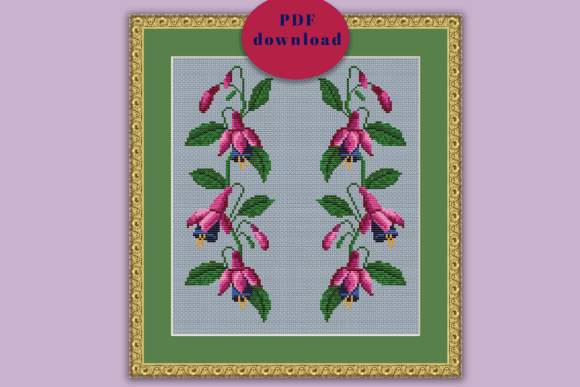
Cutwork Border: A Designer's Review for Real Projects
When I first opened the Cutwork Border file on my screen, the immediate impression was one of delicate sophistication. There is a specific mood this design creates—a blend of vintage charm and modern cleanliness that is hard to achieve without looking dated. As a designer who spends hours tweaking digitization for clients, I look for patterns that breathe life into a project rather than just covering fabric with thread. This pattern does exactly that. It feels less like a standard decorative add-on and more like an integral part of the garment or home good it adorns. The visual personality suggests elegance, making it a strong candidate for high-end boutique items where presentation is everything.
Visualizing the Finished Product in a Real Scenario
To truly evaluate an embroidery design, you have to move past the digital preview and imagine the physical result. I recently had a client request a line of premium linen tote bags for a local bridal shower favor business. They needed something that felt handmade but polished enough to justify a higher price point. My mind immediately went to Cutwork Border.
In this real-life scenario, the design would run along the bottom hem of the tote. The openwork nature of cutwork allows the natural texture of the linen to peek through, creating a layered effect that solid fill stitches often miss. When a customer picks up that bag, they aren't just seeing a logo; they are feeling the craftsmanship. The reaction from the end-user is usually one of appreciation for the detail. It elevates a simple canvas or linen tote into a keepsake. Similarly, if applied to a high-quality cotton apron or a set of kitchen tea towels, this border transforms a utility item into a piece of decor. It tells the buyer that the creator cares about the finishing touches.
Performance Across Different Applications
Versatility is key for any craft business owner or Etsy seller looking to maximize their design assets. Cutwork Border shines in several specific areas of custom apparel and home goods. For sweatshirt embroidery, placing this border along the cuff or the bottom ribbing adds a unexpected touch of femininity to a casual garment. It breaks up the bulk of the fleece and draws the eye.
For baby embroidery, the softness of the motif is perfect. Imagine it framing the bib of a christening gown or running along the edge of a nursery blanket. Because the design relies on the interplay between thread and negative space, it doesn't feel heavy or stiff against sensitive skin, provided the backing is chosen correctly. In the realm of holiday embroidery, this could serve as a beautiful frame for a monogram on a Christmas stocking or a table runner. The "Fantastic Floral" elements mentioned in the description suggest a timeless theme that works year-round, not just for a single season.
However, when considering commercial embroidery for larger runs, consistency is vital. The clarity of the lines in Cutwork Border suggests that, with proper tension settings, the repeatability should be high. Whether you are producing ten units or a hundred, the visual impact remains consistent, which builds brand consistency and customer trust.
Where Caution is Required: Fabric and Hoop Considerations
While the aesthetic appeal is high, a professional reviewer must address the technical challenges. Cutwork designs are notoriously finicky compared to standard fill stitch or satin stitch patterns. The primary concern is fabric stability. You cannot simply slap this onto a stretchy knit or a loosely woven fabric without significant preparation.
- Fabric Texture: On textured fabrics like terry cloth or heavy tweed, the fine details of the cutwork might get lost or snag. It performs best on smooth, tightly woven materials like poplin, sateen, or high-thread-count cotton.
- Stabilizer Needs: This is non-negotiable. You will need a robust stabilizer, likely a cut-away for garments that will be washed frequently, to prevent the open areas from distorting over time. On a tote bag design intended for heavy use, skimping on stabilizer will lead to puckering and eventual tearing of the bridge threads.
- Small Hoop Sizes: If you are working with small hoop sizes for items like caps or patches, ensure the design fits comfortably without hitting the hoop edges. Curved surfaces like caps require extra attention to ensure the border lays flat and doesn't warp around the curve.
- Dense Stitch Areas: Check the density. If the floral elements are too dense while the borders are open, the differential shrinkage can cause the fabric to pucker between the sections.
Enhancing Value and Professionalism
The ultimate goal of using a premium machine embroidery design is to increase the perceived value of the finished product. Cutwork Border achieves this by signaling effort. In a market saturated with generic prints, an embroidered cutwork edge stands out. It implies that the item is a handmade product created with skill. For a small shop product, this distinction can be the difference between a browser and a buyer. It enhances giftability; people are more likely to gift an item that looks bespoke and luxurious.
Furthermore, for those selling digital embroidery files or printable mockups, the visual clarity of this design translates well into marketing images. The contrast between the thread and the fabric creates a sharp image that pops in online listings, driving better buyer engagement.
Practical Notes for the Working Designer
Before committing this design to a client's expensive garment, there are several steps I always recommend. First, test the design on scrap fabric that matches the final material exactly. Do not assume your standard settings will work. Second, check thread color contrast. Cutwork relies on the thread standing out against the background; low contrast can make the intricate details vanish from a distance.
Review the stitch density carefully. If the digitization is too tight, the fabric may tear during the cutting phase (if doing true cutwork) or pucker severely. Confirm the hoop size requirements early to avoid last-minute re-hooping issues. Inspect small details in the preview mode—look for jump stitches that might need trimming manually. It is also wise to test it in black and white mockups to ensure the shape holds up without the distraction of color.
Finally, always confirm licensing before selling. While the description highlights its suitability for women's wear and home style, you must verify if the license permits unlimited commercial use for finished items or if there are restrictions on reselling the embroidery file itself. Never assume; always read the terms to protect your craft business.
In conclusion, Cutwork Border is a powerful tool in the designer's arsenal. It brings a level of refinement that few other Borders can match. When used with the right materials and technical foresight, it turns ordinary projects into extraordinary statements. It is not just a pattern; it is a way to elevate your entire brand's perception through the art of Embroidery.