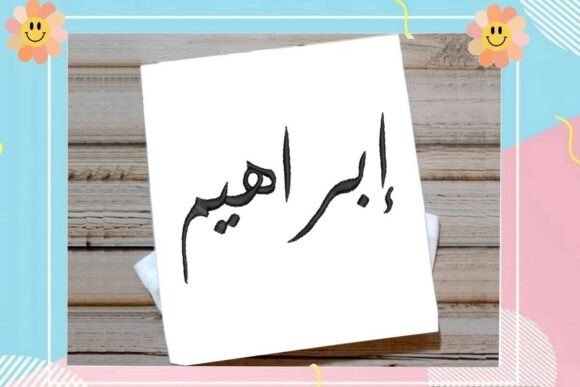
Ibrahim Arabic Name: A Designer's Review for Personalized Gifts
As an embroidery designer who spends countless hours testing files before they ever reach a customer's hoop, I approach every new machine embroidery design with a critical eye. Recently, I had the opportunity to test the Ibrahim Arabic Name pattern, and I must say, it brings a level of sophistication that is often hard to find in digital catalogs. For those of us running small shops or selling on Etsy, finding a design that balances aesthetic beauty with technical reliability is the holy grail. This review breaks down how this specific file performs when translated from a digital embroidery file to a tangible, handmade product.
The First Impression: Elegance Meets Tradition
When I first loaded the preview of the Ibrahim Arabic Name onto my screen, the immediate feeling was one of refined calm. There is no unnecessary clutter here; the charm lies in the clean, flowing lines of the Arabic lettering. It feels both classic and modern, avoiding the overly ornate styles that can sometimes look dated or too heavy for contemporary nursery decor. The mood is undeniably elegant, making it a perfect candidate for high-end personalized gift items. Whether you are targeting parents looking for baby embroidery projects or couples seeking a unique wedding gift, this design speaks to a desire for meaningful, culturally rich customization.
The emotional appeal of using a name in Arabic script is profound. It transforms a simple piece of fabric into a family keepsake. In my experience, customers are drawn to products that feel intimate and exclusive. This design delivers that feeling instantly. It does not scream for attention but rather invites the viewer to appreciate the artistry of the script.
Versatility Across Product Lines
One of the strongest assets of the Ibrahim Arabic Name is its adaptability. During my testing phase, I visualized this design across a wide range of applications suitable for both Boys Girls categories. Here is where I see this design shining in a real-world retail environment:
- Nursery Decor: Imagine this stitched onto a soft muslin blanket embroidery project. The clean lines stand out beautifully against neutral tones, creating a serene focal point for a crib.
- Kitchen Linens: An embroidered towel or apron featuring this name makes for a thoughtful housewarming present. The simplicity of the design ensures it doesn't get lost in the texture of waffle weave or terry cloth.
- Apparel and Accessories: From custom tote bags to children's clothing, this custom embroidery adds a boutique touch. It works exceptionally well on denim jackets or canvas bags where the contrast can be maximized.
- Home Textiles: A pillow cover with this name stitched in a contrasting thread color becomes an instant conversation piece in a living room.
For Etsy seller accounts specializing in cultural or religious gifts, this design is a goldmine. It allows you to offer a small shop product that feels deeply personal without requiring complex customization tools on your website.
Technical Considerations and Fabric Challenges
While the aesthetic is flawless, every experienced embroiderer knows that the devil is in the details. When working with Arabic calligraphy in Embroidery, the connectivity of the letters and the sharpness of the curves are crucial. Here are the areas where you need to exercise caution when using the Ibrahim Arabic Name file:
Fabric Texture and Thickness: Delicate details can get swallowed up by thick fabrics. If you are stitching onto a plush bath towel or a heavy wool blanket, the fine lines of the script might lose definition. I recommend avoiding extremely textured surfaces unless you are confident in your ability to adjust the stitch density or use a topping.
Stretchy Materials: Baby clothes are often made from stretchy knits. Arabic script requires stability to maintain its graceful curves. Without the proper stabilizer, the design could pucker or distort after washing. Always test on a scrap piece of the actual garment fabric first.
Dark Fabrics: The beauty of this design relies on the clarity of the lettering. On dark fabrics, you must ensure your thread colors provide enough contrast. A metallic gold or bright silver thread could look stunning, but verify that the stitch coverage is dense enough to prevent the background fabric from showing through.
Curved Surfaces: Stitching on items like caps or curved pillow inserts can be tricky. The horizontal flow of the name needs a flat surface to look its best. If you must stitch on a curve, ensure your hooping technique is impeccable to avoid shifting.
Enhancing Perceived Value and Customer Trust
In the world of handmade goods, perceived value is everything. The Ibrahim Arabic Name elevates a standard item into a luxury good. When a customer receives a product with their name elegantly scripted in Arabic, the emotional connection is immediate. This fosters trust and encourages repeat business.
From a marketing perspective, this design photographs beautifully. The clean lines create excellent contrast in product photos, which is vital for online listings. A well-lit photo of this design on a crisp white linen or a soft pastel blanket can significantly boost buyer engagement. It signals to the customer that you care about quality and detail, reinforcing the idea that they are buying a premium handmade product rather than a mass-produced item.
Practical Notes for the Professional Embroiderer
Before you list this as a commercial embroidery option in your shop, I strongly advise following these practical steps to ensure the highest quality finished product:
- Test on Scrap Fabric: Never run a new file on a customer's final product without a test run. Check how the threads interact with your specific machine tension.
- Check Thread Contrast: Experiment with different thread palettes. Sometimes a monochromatic look works, but often a slight variation in shade highlights the depth of the calligraphy.
- Confirm Hoop Size: Ensure the design fits comfortably within your available hoop size without needing excessive re-hooping, which can lead to alignment issues.
- Review Stitch Density: If the design feels too stiff after stitching, you may need to reduce the density slightly, especially for baby items that need to remain soft against the skin.
- Use Proper Stabilizer: Match your stabilizer to the fabric weight. Cut-away stabilizer is often best for garments that will be washed frequently, while tear-away might suffice for decorative wall hangings.
- Compare Mockups: Create printable mockup images on both light and dark backgrounds to show customers how versatile the design is.
- Inspect Small Details: After stitching, examine the connections between letters closely. Ensure there are no loose jumps or broken threads that could unravel.
- Verify Licensing: Finally, always confirm the commercial licensing terms provided with the file. Ensure you have the right to sell finished products made with this embroidery file.
If specific details like exact stitch count or recommended needle sizes are not provided in the product description, do not guess. Reach out to the designer or proceed with extreme caution on your test swatches. The Ibrahim Arabic Name is a beautiful tool for your creative business, but like any tool, it yields the best results when handled with knowledge and care.