Review: Classic Sailing Ship for Personalized Gifts
As an embroidery designer who spends countless hours testing files before they ever touch a customer's fabric, I approach every new download with a critical eye. When I stumbled upon the Classic Sailing Ship in the Freebies section, my immediate thought was not just about the aesthetic, but about its viability as a commercial asset for my personalized gift shop. In the world of machine embroidery design, free does not always mean high quality, but this file immediately stood out as a potential cornerstone for winter and outdoor-themed collections.
First Impressions: A Nautical Narrative
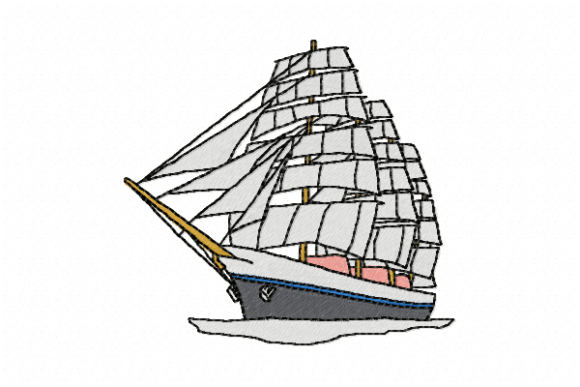
The moment I loaded the digital embroidery file into my software, the charm of the Classic Sailing Ship was evident. It possesses a timeless elegance that bridges the gap between playful adventure and sophisticated nautical decor. Unlike some overly complex designs that lose definition when scaled down, this design maintains a clean silhouette while offering enough internal detail to feel like a true handmade product. The mood is distinctly seasonal, evoking crisp winter air and the spirit of exploration, making it ideal for adventure lovers and those who appreciate maritime history.
For an Etsy seller or small shop owner, emotional connection is everything. This design taps into a sense of wanderlust and family tradition. It feels sweet yet sturdy, perfect for a demographic ranging from new parents creating a nursery theme to couples celebrating a wedding near the coast. The visual weight of the ship suggests durability, a crucial psychological factor when customers are purchasing items meant to last, such as heirloom blankets or kitchen linens.
Versatility Across Product Lines
The true test of any embroidery file is its adaptability. During my review process, I visualized the Classic Sailing Ship across various substrates to determine its range. Here is how I see it performing in a real-world production environment:
- Baby Embroidery: The design is gentle enough for a baby blanket or onesie, provided the stitch density is appropriate for soft fabrics. It creates a wonderful "little captain" theme for a nursery.
- Kitchen Linens: On an embroidered towel or apron, the bold lines of the ship stand out beautifully against terry cloth or linen, adding a custom touch to everyday items.
- Home Decor: For pillow covers and tote bags, the design offers a striking focal point. It transforms a plain canvas bag into a statement piece for beach trips or grocery runs.
- Wedding Gifts: For coastal weddings, this motif can be monogrammed alongside initials on handkerchiefs or cake knives, serving as a memorable keepsake.
When creating a printable mockup for client previews, the Classic Sailing Ship renders exceptionally well. Its clear shapes translate effectively in photos, which is vital for buyer engagement on social media and online marketplaces. A strong visual leads to higher perceived value, allowing crafters to justify premium pricing for their custom embroidery services.
Technical Considerations and Fabric Challenges
While the design is beautiful, professional integrity requires us to discuss where caution is needed. Not every fabric plays nice with every design. When working with the Classic Sailing Ship, I recommend paying close attention to the following technical aspects:
- Fabric Texture: On highly textured fabrics like thick waffle weave or looped towels, fine details might get lost. It is essential to check how the sails render on rougher surfaces.
- Stretchy Materials: If applying this to stretchy baby clothes, the stability of the hull lines is critical. Without proper stabilization, the ship could distort after washing.
- Dark Fabrics: The design relies on contrast. On dark navy or black fabric, you must carefully select thread colors that pop, or consider a satin stitch border to define the edges against the background.
- Curved Surfaces: Embroidering on a curved surface, like a structured cap or a rounded pillow, requires careful hooping to prevent the ship from looking skewed.
Furthermore, if the design includes any small lettering or intricate rigging details, these areas are vulnerable on products that undergo frequent washing. For items like dish towels or children's clothing, I advise reviewing the stitch density closely. High density can make a towel stiff and unpleasant to use, while low density might compromise the image's clarity on plush fabrics.
Enhancing Perceived Value and Trust
In the competitive landscape of handmade goods, the finish of your product dictates customer trust. The Classic Sailing Ship has the potential to elevate a simple item into a cherished gift. When a customer receives a tote bag or blanket featuring this crisp, well-executed design, it signals professionalism. It tells them that the creator cares about quality.
This emotional resonance drives repeat business. A parent buying a blanket embroidery project for a newborn wants something that feels special and enduring. The nautical theme suggests a journey, a metaphor many parents love for their children's lives. By pairing this design with high-quality threads and precise stitching, you create an emotional anchor for the buyer, turning a transaction into a relationship.
Practical Notes for the Studio
Before running a production batch or listing this as a small shop product, I always follow a strict testing protocol. Here are my recommendations for ensuring the Classic Sailing Ship performs flawlessly in your studio:
- Test on Scrap Fabric: Always stitch a sample on the exact material you intend to sell. What looks good on cotton might behave differently on fleece.
- Check Thread Contrast: Ensure your thread palette provides enough distinction between the hull, sails, and water elements to maintain depth.
- Confirm Hoop Size: Verify that the design fits comfortably within your available hoop without needing excessive re-hooping, which can cause alignment issues.
- Review Stabilizer: Choose a stabilizer that matches the fabric weight. Cut-away stabilizer is often best for garments that will be washed frequently to prevent distortion.
- Inspect Small Details: After stitching, examine the fine lines under good lighting to ensure no thread breaks or bird nests occurred during the run.
- Verify Licensing: Since this is found in the Freebies category, double-check the specific license terms. Ensure you have the right to use it for commercial embroidery and selling finished products before accepting customer orders.
It is important to note that specific technical data such as exact stitch count, specific file formats, or definitive hoop dimensions were not explicitly detailed in the initial product description. Therefore, it is imperative to download the file and inspect these properties in your digitizing software before committing to a project. Do not assume compatibility; verify it.
Final Thoughts on the Classic Sailing Ship
The Classic Sailing Ship is more than just a decorative motif; it is a versatile tool for the creative entrepreneur. Whether you are crafting a wedding gift for a sailor, designing a line of nursery decor, or simply looking to expand your catalog of personalized gift options, this design holds significant promise. Its blend of classic style and seasonal relevance makes it a smart addition to any Embroidery library. By approaching it with the right technical preparation and an eye for detail, you can transform this digital asset into a tangible source of income and joy for your customers.