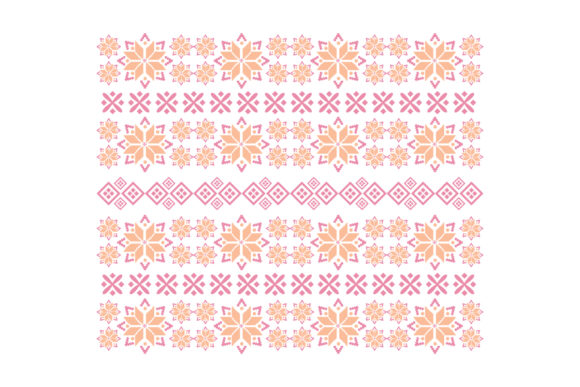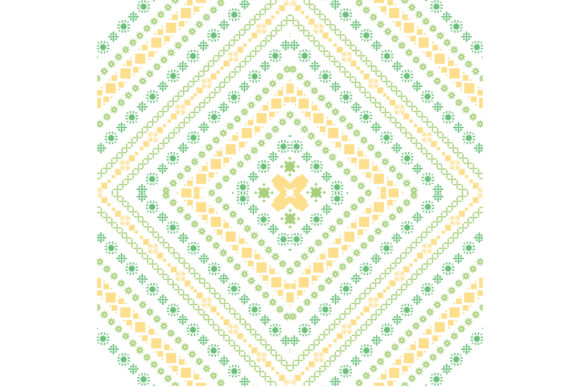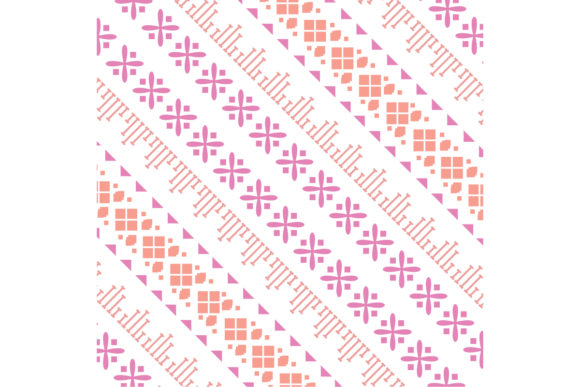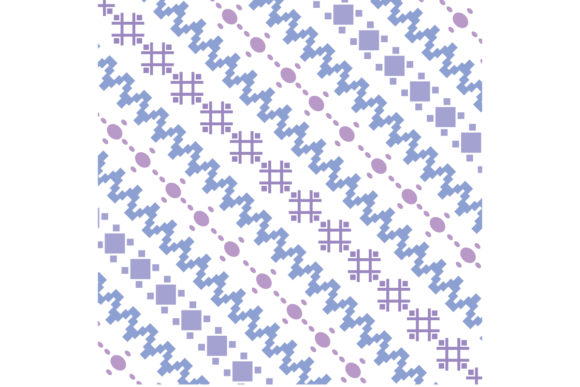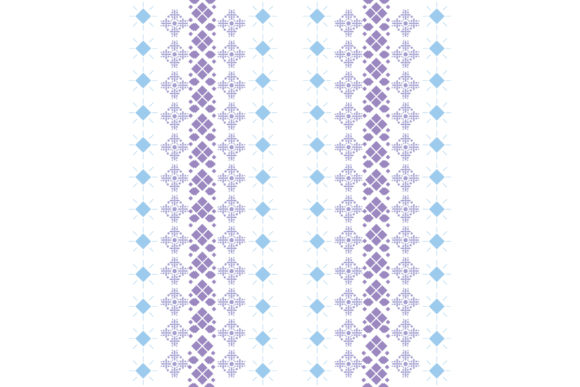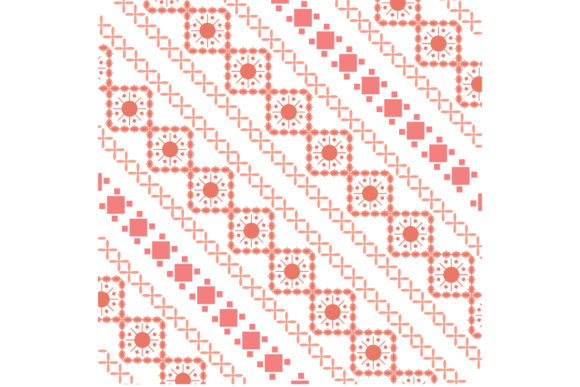
Reviewing the Unique Style of Embroidery Pattern
As an embroidery designer who has spent years digitizing for both high-volume commercial runs and bespoke boutique collections, I approach every new machine embroidery design with a critical eye. It is not just about whether the file opens correctly; it is about how that design translates from a digital screen to a tangible, textured finished product. Recently, I had the opportunity to evaluate the Unique Style of Embroidery Pattern for an upcoming limited drop of premium sweatshirts for a small online shop. The goal was simple: create a cohesive collection that feels elevated yet cozy, appealing to modern consumers who value handmade quality.
The product description labels this as part of a "bedroom decorative" collection, which initially suggests soft, intimate motifs. However, when viewing these Graphics through the lens of apparel decoration, I saw potential far beyond home decor. This review explores how this specific embroidery file performs on various garments, addressing the practical concerns of Etsy sellers, small shop product creators, and independent designers looking to elevate their brand identity.
First Impressions: Mood and Aesthetic Appeal
Upon loading the digital embroidery file into my editing software, the first thing that struck me was the balance between detail and simplicity. The Unique Style of Embroidery Pattern carries a distinct personality. It does not scream for attention with overly complex satin stitches or dense fills that might stiffen the fabric. Instead, it offers a refined, slightly rustic charm that bridges the gap between cute and sophisticated.
For a boutique brand, this versatility is gold. The design feels inherently decorative, making it suitable for those who appreciate a touch of whimsy without sacrificing minimalism. When I visualized it on neutral-toned fabrics, the lines appeared clean and deliberate. There is a playful energy to the layout, yet it remains grounded enough to be considered premium. For designers curating a seasonal lineup, this pattern offers a fresh alternative to the standard monograms or generic icons saturating the market.
Application on Sweatshirts and Hoodies
The core of my test involved applying this design to a range of apparel, specifically focusing on sweatshirt embroidery and hoodie design placements. Here is how the Unique Style of Embroidery Pattern performed across different styles:
- Neutral Sweatshirts: On cream, oatmeal, or light gray fleece, the design popped with subtle elegance. The contrast was soft, creating a look that feels expensive and understated. This is ideal for customers seeking everyday luxury.
- Dark Fabric: When tested on charcoal or navy, I had to adjust the thread colors to ensure visibility. With lighter threads, the pattern retained its integrity, though the darker background added a moodier, more dramatic vibe. It shifted from cute to bold, appealing to a different segment of buyers.
- Pastel Colors: Placing the design on blush pink or mint green hoodies enhanced its feminine and playful attributes. The soft hues complemented the decorative nature of the pattern, making it perfect for spring collections or gift-oriented merchandise.
- Oversized Hoodies: For oversized fits, I experimented with scaling the design up for a back placement. The stitch density held up well, providing enough coverage to be impactful without becoming heavy or scratchy against the skin.
This adaptability means the Unique Style of Embroidery Pattern can serve as the cornerstone of a diverse custom apparel line. Whether you are aiming for a cozy, rustic aesthetic or a clean, modern look, the design adjusts to the fabric and colorway seamlessly.
Technical Considerations for Production
While aesthetics drive sales, technical execution ensures customer satisfaction. As a designer, I always scrutinize the mechanical aspects of a file before recommending it for commercial embroidery. Here are the key factors I evaluated for this pattern:
Stitch Density and Fabric Texture: Sweatshirts and hoodies are typically made from medium-to-heavy weight fleece or French terry. The Unique Style of Embroidery Pattern features a moderate stitch density that works well with these thicker materials. It does not require excessive underlay that might cause puckering, nor is it so sparse that it gets lost in the fabric texture. However, always test on your specific blank supplier’s material, as fleece pile can vary significantly.
Stabilizer Choice: Given the stretchiness of knit fabrics used in loungewear, using the right stabilizer is crucial. I recommend a cut-away stabilizer for long-term durability, especially if the design is placed on areas subject to movement, like the chest or sleeves. A tear-away might suffice for rigid woven decor items, but for apparel, cut-away ensures the embroidery remains stable after multiple washes.
Hoop Size and Placement: The design fits comfortably within standard hoop sizes, but precise placement is key. For a chest logo, centering it correctly relative to the placket or neckline is essential for a professional look. If using it as a sleeve accent, ensure the hoop alignment accounts for the curve of the arm. Always check the recommended hoop size in the file details to avoid cropping any intricate edges.
Small-Size Readability: One concern with detailed Patterns is how they scale down. I tested the design at a smaller scale for pocket placements or cuff details. While the overall shape remained recognizable, some finer details began to merge. For small applications, I suggest simplifying the thread palette or slightly increasing the scale to maintain clarity.
Enhancing Brand Identity and Value
In the world of handmade goods, presentation is everything. The Unique Style of Embroidery Pattern contributes significantly to perceived value. A well-executed embroidery signals quality and effort, distinguishing your handmade product from mass-produced alternatives. For an Etsy seller or boutique owner, this design can become a signature element of your brand identity.
When creating printable mockup images for your online listings, this pattern photographs beautifully. The texture of the threads catches the light, adding depth to flat-lay shots and lifestyle photos. High-quality visuals driven by strong design assets lead to higher customer engagement and trust. Buyers are more likely to perceive the item as a premium piece worth the investment when the embroidery looks crisp and intentional.
Furthermore, using a distinctive pattern helps in building visual recognition. If customers associate this specific style with your shop, they are more likely to return for future drops. It transforms a simple sweatshirt into a collectible item, fostering a deeper connection between the creator and the consumer.
Final Verdict for Creative Entrepreneurs
The Unique Style of Embroidery Pattern is a versatile and charming addition to any designer’s library. It successfully transitions from its original "bedroom decorative" intent to become a standout feature on custom apparel. Its ability to adapt to different colorways and garment styles makes it a reliable choice for seasonal collections.
However, before launching your production run, remember to verify the specific technical details provided with the download. Check the exact stitch count, supported file formats, and license terms to ensure they align with your business model. Not all files are created equal, and knowing these specifics prevents costly mistakes during the stitching process.
For small clothing brands and crafters looking to add a touch of unique flair to their offerings, this design delivers. It balances aesthetic appeal with practical usability, allowing you to create pieces that are not only visually striking but also durable and comfortable. By paying attention to thread contrast, stabilizer choice, and placement, you can leverage this pattern to elevate your brand and delight your customers with high-quality, embroidered treasures.