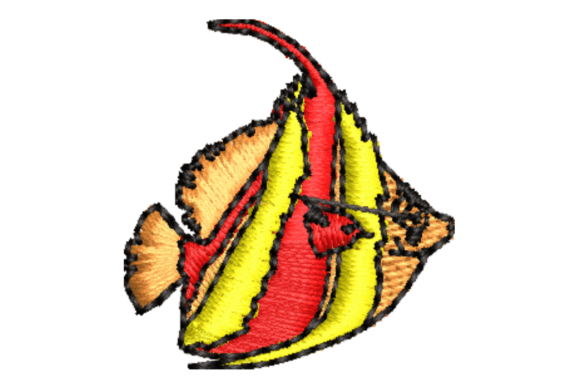
Fish Embroidery Design Review: Elegant Aquatic Stitching
As an embroidery designer who spends countless hours digitizing and stitching for both personal projects and commercial clients, I am always on the lookout for design assets that offer both aesthetic appeal and technical reliability. Recently, I explored the Fish Embroidery Design available on Creative Fabrica, specifically within the Fish Shells category. My goal was to determine if this machine embroidery design could hold up under the scrutiny of a real-world production environment, from custom apparel to boutique home decor.
First Impressions: Serenity in Stitch
Upon reviewing the preview images and description, the immediate takeaway is the mood. The design promises "elegance" and "serenity," featuring a gracefully detailed aquatic creature. For a designer, this suggests a piece that relies heavily on flow and line quality rather than brute force density. The visual personality of this embroidery file leans towards a decorative, almost illustrative style that brings charm to fabric creations.
What stands out initially is the potential versatility. The description notes it is ideal for summer wear and kids' clothing, which implies a lighter touch suitable for breathable fabrics. However, as a professional, I look beyond the marketing copy. The key question is whether the transition between satin stitch outlines and fill stitch areas is smooth enough to prevent thread breaks or excessive trimming when scaled for different applications.
Evaluating Real-World Application Scenarios
To truly test the value of this Creative Fabrica embroidery product, I mentally projected it onto several common items found in a handmade shop or Etsy listing. Here is how the Fish Embroidery Design performs across various mediums:
- Custom Apparel and Summer Wear: The graceful lines of the fish make it an excellent candidate for t-shirts and light linen shirts. The design's inherent serenity fits perfectly with beach-themed collections or resort wear.
- Tote Bag Design: When applied to canvas totes, the detailed aquatic creature can serve as a focal point. However, one must consider the stitch density; if the fill areas are too dense, they may cause the canvas to pucker over time.
- Sweatshirt Embroidery: For heavier garments like hoodies, this design would need to be scaled up. Larger scales allow the details to breathe, preventing the stitches from merging into a solid blob on textured fleece.
- Nursery Decor and Baby Items: Given its suitability for kids' clothing, this design is a natural fit for baby blankets and nursery wall hangings. The soft, flowing nature of the fish appeals to the gentle aesthetic required for infant products.
- Embroidered Patch Creation: If you plan to create patches, the outline definition is crucial. This design appears to have strong contours that could work well with a merrowed edge, provided the internal details are not too fine for small hoop sizes.
Technical Considerations for Professional Results
While the artistic merit of the Fish Embroidery Design is clear, the technical execution determines whether it becomes a best-seller or a source of frustration. There are several practical factors every embroidery entrepreneur must consider before committing this design to a customer order.
Fabric Compatibility and Stabilizer Choice
The description mentions "fabric creations" broadly, but not all fabrics behave the same. For stretchy fabrics like jersey knits used in summer wear, using the correct stabilizer is non-negotiable. A cut-away stabilizer is likely necessary to support the fill stitch areas without distorting the garment after washing. Conversely, for woven items like kitchen towels or pillow covers, a tear-away might suffice, but one must inspect the back of the design to ensure no loose tails remain that could snag.
Challenges with Dark Fabrics and Thread Colors
One critical aspect to verify before purchasing is the thread colors recommended in the file. If the design relies on subtle shading, it may get lost on dark fabrics unless the digitizer included underlay stitches or specific instructions for color modification. As a reviewer, I advise checking if the digital embroidery file includes multiple color variations or if you will need to manually adjust the sequence for high-contrast looks on navy or black apparel.
Hoop Size and Detail Retention
The level of detail in "gracefully detailed" designs can sometimes be a double-edged sword. If you intend to use this on small items like caps or children's pockets, you must confirm the minimum hoop size required. Shrinking a detailed fish design too much can result in lost definition, where individual running stitch details merge together. Always run a test stitch-out on scrap fabric of similar weight to your final product to ensure the tiny scales or fin details remain crisp.
Impact on Product Value and Brand Perception
In the competitive world of handmade goods and commercial embroidery, the quality of your design directly influences buyer trust. A well-executed Fish Embroidery Design can elevate a simple tote bag into a boutique merchandise item. The visual appeal of the aquatic theme taps into popular trends regarding ocean conservation and coastal living, potentially increasing customer engagement.
Furthermore, consistency is key for brand building. If this design integrates well with other elements in your shop—perhaps paired with shell motifs or nautical typography—it strengthens your brand identity. High-quality presentation in your printable mockup photos is also easier when the source design is clean and professional. Customers are more likely to perceive a personalized gift as premium if the embroidery lies flat, has consistent tension, and showcases vibrant, well-chosen thread colors.
Final Verdict and Best Practices
The Fish Embroidery Design from the Fish Shells category presents a compelling option for designers looking to add a touch of underwater elegance to their portfolio. Its strength lies in its adaptability for seasonal items and its potential for creating serene, visually pleasing finished product outcomes.
However, before integrating this into your production line, adhere to these professional guidelines:
- Test Extensively: Never skip the step of stitching on scrap fabric that matches your client's material. Check for puckering, especially in dense areas.
- Verify Licensing: Always review the specific license terms on the Creative Fabrica product page. Ensure that the license permits commercial embroidery sales if you intend to sell physical goods made with this file.
- Check File Formats: Confirm that the download includes the specific format compatible with your embroidery machine to avoid conversion errors that can ruin stitch quality.
- Inspect Small Details: After stitching, closely examine the eyes, fins, and scales. If any areas look sparse or overly dense, consider editing the file in your digitizing software if you have the skills, or contact the designer for support.
In conclusion, this design offers a strong foundation for creative entrepreneurs aiming to produce high-quality, themed goods. With careful attention to stabilizer selection, fabric choice, and testing protocols, the Fish Embroidery Design can be a valuable addition to your library of design assets, helping you create memorable items for your customers.